Last year, I was booked to deliver some disability and access training with some colleagues in London. Before the event, we did everything right.
We checked the venue.
We asked about participants needs.
We asked questions and were reassured that everything was accessible.
I arrived with my colleagues feeling confident. And then we reached the door of the venue. It looked like any other London entrance – solid doors, a buzzer system, right on a busy street.
No steps, no obvious barriers.
We pressed the buzzer and the door clicked open. But there was no voice, no “Hello” or “How can I help?” Just silence.
And then one side of the door opened. Just one side.
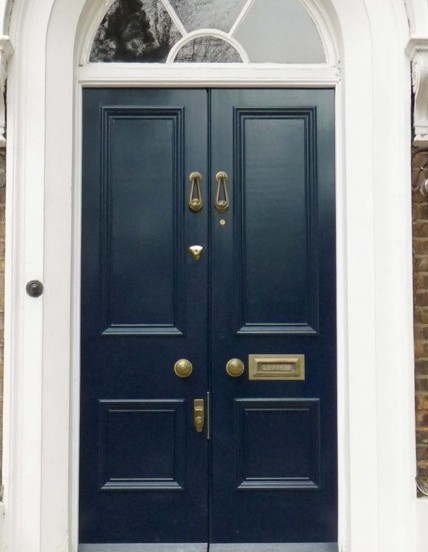
That’s when the problem became clear
As a wheelchair user, I couldn’t get in. Not because there wasn’t access. But because the way access was given and set up simply didn’t work for me. It wasn’t accessible in practice.
As I was with colleagues, one of them was able to go inside and get both doors unlocked to allow me access. But I kept thinking – what if I’d have been on my own as I often am? I’d have been totally stuck.
Standing (or sitting in my wheelchair) outside on a busy road.
Trying to use an intercom.
Trying to make myself understood over the constant traffic.
And knowing how difficult, near on impossible, that would be with a speech impediment.
Accessibility in Practice: what people often miss
Accessibility isn’t just about:
- ramps
- lifts
- door widths
It’s about how things actually work in real life.
Would someone be able to:
- communicate their needs?
- be understood?
- get help without relying on others?
Because from the outside, that venue was accessible. But in reality?
I couldn’t even get through the door independently.
Why this matters more than ever
Moments like this happen all the time.
Not because people don’t care.
But because accessibility is often treated as a checklist—rather than a lived experience.
And that’s where things fall down.
If you’re marking Global Accessibility Awareness Day 2026
This is exactly what we need to talk about.
On 21st May, I’m running a session to explore:
- what accessibility really looks like in practice
- the small things that make the biggest difference
- how to avoid situations like this in your own setting
Because most barriers aren’t complicated.
They’re just… overlooked.