Support, insight and resources for parents raising a child with Cerebral Palsy
Parenting a child who has Cerebral Palsy can stir many emotions and questions. You might be wondering about how your child will develop or the best way to support them. You’ll naturally have questions about what the future might look like.
This parent support hub brings together, resources and reflections to help you navigate that journey. Whether your child has just been diagnosed or whether you’re just wondering about the next stage, this hub aims to support you and your child.
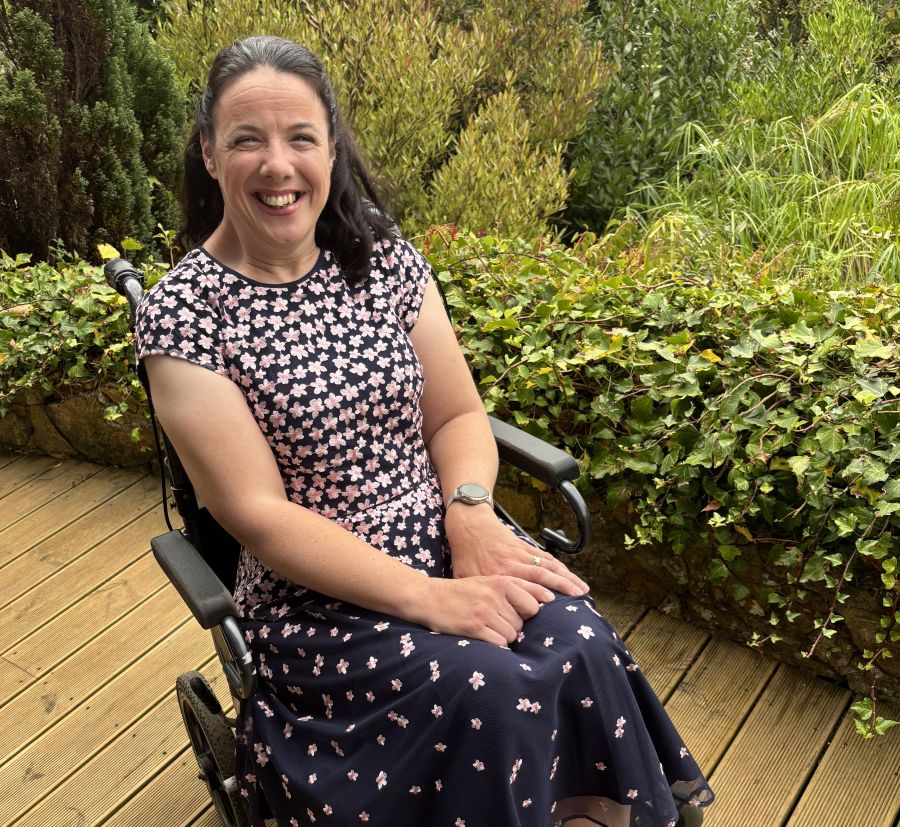
Much of the information here is shaped by my own lived experience of growing up with Cerebral Palsy, as well as my professional experience as a Disability Trainer and Consultant. I work with schools, universities and employers – helping them to understand disability and create more inclusive environments.
Start Here: Understanding Cerebral Palsy
When you first hear the words “Cerebral Palsy” in relation to your child, it can feel like your world has been turned upside down and the future you had imagined is suddenly replaced by so many unknowns. However, it’s important to remember that your child’s life is not defined by their diagnosis. The future, at this stage, is unknown but that doesn’t mean it won’t be full of opportunities and possibilities.
Cerebral Palsy can have several different causes and in many cases, it occurs because of events that happen before, during or shortly after birth. These events have an impact upon the developing brain, often disrupting the signals which travel between the brain and body. In my case, my cerebral palsy was caused by complications during my birth. My mum had been induced and given medication to help start labour, and during this process I experienced a lack of oxygen when I was born, which led to the brain injury that caused my cerebral palsy.
Got Questions?
When your child is first diagnosed, it’s natural to have lots of questions — some practical, some emotional, and some you might not even say out loud.
Read answers to common questions that parents ask about Cerebral Palsy.
What Causes Cerebral Palsy?
Cerebral Palsy can have several different causes and in many cases happens just before, during or shortly after birth. These events affect the developing brain and how it communicates with the body.
Sometimes the exact cause is known and sometimes it isn’t. The important thing to remember is that Cerebral Palsy isn’t progressive – the injury to the brain doesn’t worsen over time.
Is Cerebral Palsy Caused by Something I Did?
You might also find yourself wondering what caused your child’s Cerebral Palsy – or even questioning whether it’s something you did or didn’t do.
Please be reassured Cerebral Palsy is almost never caused by anything a parent did or didn’t do. In most cases, it happens because of events affecting the developing brain that are outside of a parents control.
Read more common questions parents ask.
When Your Child is First Diagnosed
My parents had suspected that I had Cerebral Palsy long before it was officially diagnosed. They had noticed that I wasn’t developing as quickly as my older sisters – I was slow to sit up independently and I wasn’t making much progress towards walking. Doctors initially dismissed their concerns by saying I was “just slow”.
When I was later diagnosed at the age of four, my parents had very little information about what it would mean for my future. Back then, almost 40 years ago, there weren’t the same resources, access to information and support networks as there are today. My parents were completely in the dark and left to figure it out. Hearing the term “Cerebral Palsy, they were naturally worried about what that meant for me and my future.
How You Might be Feeling
If you’ve recently learnt that your child has CP, it’s natural to feel overwhelmed, anxious and worried about the future. You’ll be grappling with many emotions – grief, confusion and you’ll no doubt have lots of questions. That’s why I created this hub – to help provide some of the answers and hopefully calm some of your anxieties about the future.
In the early days after diagnosis, it might feel as though you need to understand everything about Cerebral Palsy. Try to resist the urge to scroll the internet night after night. The reality is that learning about CP is a gradual process and your child will grow and develop in their own way so you’ll learn alongside them. It’s okay if you don’t have all the answers right now.
Cerebral Palsy Isn’t the Whole Picture
It’s important to remember that Cerebral Palsy is just one aspect of who your child is – it’s not the whole picture. Your child is still an individual who has their own personality, strengths and interests. Try not to focus too heavily on Cerebral Palsy or fret about the future, just nurture and support your child as you would without the CP.
As I’ve said, a diagnosis can seem overwhelming and for a time, it might be the only thing you can think about. That’s OK – take time to process it. I know it’s easy to say but try not to worry about the future – focus on one small step at a time. Understand the support that’s available, speak to therapists or just take time as a family to process it. I can assure you that, in time, the path ahead will emerge – you won’t always feel as overwhelmed as perhaps you feel now.
The following sections of this hub explore many of the questions parents might have after a diagnosis – from understanding how to support your child to when and how to explain the diagnosis to them. I can’t promise you that the days ahead will be easy – I still have days that are challenging. But I can promise you this – a diagnosis of Cerebral Palsy doesn’t mean your child can’t have a full or meaningful life.